


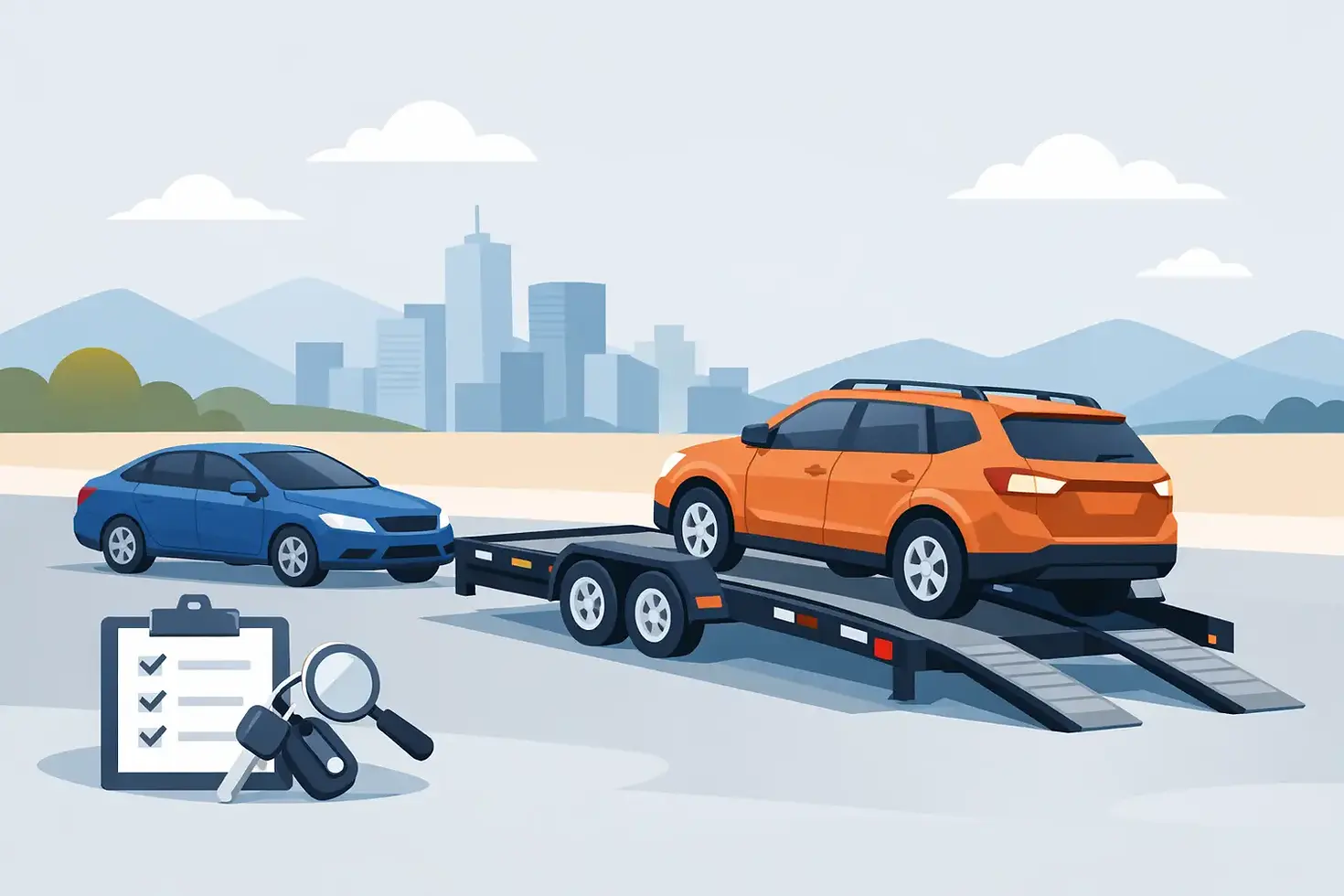
Car Hauler Trailer Rental: What to Know

A vehicle that will not get from point A to point B on its own can turn a simple day into a long one fast. That is why car hauler trailer rental matters so much - whether you are moving a project car, hauling a side-by-side, picking up equipment, or getting a non-running vehicle off a property without paying for full-time ownership of a trailer.
For a lot of people, renting makes more sense than buying. A trailer takes up space, needs maintenance, and may sit for months between jobs. If you only need hauling capacity for a day, a weekend, or a specific project, renting keeps costs tied to the work in front of you. It also gives you access to equipment that is ready to work when you are.
When a car hauler trailer rental makes sense
A car hauler is one of those tools you do not need every week until the week you really need it. Homeowners use one to move a disabled car, bring home an auction purchase, or clear a property. Contractors and landscapers may use it for small equipment transport when they do not want to dedicate a larger truck and trailer setup to the job. Property managers may need one during a cleanout or turnover when a vehicle has to be removed quickly.
There is also the budget side of the equation. Buying a trailer can make sense if you move vehicles or equipment constantly, but for occasional use, rental is usually the cleaner decision. You pay for the time you need, avoid storage headaches, and do not have to keep up with tires, brakes, lights, bearings, and registration year-round.
That said, rental is not automatically the best choice for every job. If your schedule changes often, if you need a trailer available at all times, or if you are hauling the same type of load every week, ownership may pencil out better over time. For most one-off or project-based jobs, though, renting is the practical move.
Choosing the right car hauler trailer rental
Not every hauling job is the same, and the trailer has to match both the load and the tow vehicle. That starts with weight. You need to know what you are moving, what it weighs, and whether the trailer plus cargo falls within your truck or SUV's towing capacity.
This is where people get into trouble. They know the vehicle they want to move weighs a certain amount, but they forget the trailer weight itself, or they overlook payload limits, hitch ratings, tongue weight, and brake requirements. A setup that looks close enough on paper can become unsafe in a hurry.
Size matters too. A compact car, a full-size pickup, a zero-turn mower, and a small skid steer all load differently. Width between fenders, deck length, and ramp angle can all affect whether the job goes smoothly. Low-clearance vehicles may need extra care when loading. Heavier equipment may require more thought about placement and tie-down points.
If you are not sure what trailer fits the job, ask before pickup. A dependable rental company should be able to talk through the load, the tow vehicle, and any special concerns in plain language. That is a lot better than getting to the site and finding out your plan does not work.
Know your tow vehicle before you book
The trailer is only half the setup. Your tow vehicle has to handle the load with confidence, not just barely. Check your owner's manual or door sticker for towing and payload limits. Confirm the hitch class, ball size, electrical connection, and whether you have a brake controller if the trailer requires one.
A half-ton truck may be fine for one load and not enough for another. An SUV may tow a light vehicle well but struggle with heavier equipment or long highway trips. Flat Florida roads help, but heat, traffic, sudden stops, and road speed still put stress on the whole setup.
A good rule is simple - if the numbers are close, slow down and double-check everything. Close is not a comfort zone when you are hauling several thousand pounds.
What to check before you leave the lot
A well-maintained trailer saves time, but it is still worth doing your own walk-around. Check the tires for condition and inflation. Test the lights. Make sure ramps, coupler, safety chains, jack, and breakaway components are in working order. Look at the deck and tie-down points so you know what you are working with before you load.
This is also the time to understand the rental terms. Ask about rental length, deposit, pickup and return expectations, and what happens if your schedule changes. Straightforward pricing matters, especially on jobs that are already time-sensitive.
If you want less running around, it helps to work with a company that keeps the process simple. Patriots Trailer Rental, for example, focuses on practical rentals and fast communication, which makes a difference when you are trying to line up a pickup, a crew, and a jobsite all in the same day.
Loading and securing the vehicle safely
Once you are on site, take your time. The fastest way to lose an hour is to rush the first five minutes. Park on level ground if possible. Line the vehicle up straight with the ramps. If the vehicle does not run, think through your winching plan before you start pulling.
Weight distribution matters as much as the tie-downs. Too much weight to the rear can cause sway. Too much tongue weight can overload the hitch and squat the tow vehicle. The goal is a balanced load that tracks well behind the truck and stays planted during braking.
Use quality straps or chains rated for the load. Secure the vehicle at proper tie-down points, not wherever a hook happens to fit. After a short drive, stop and recheck everything. Straps can settle once the load shifts into place.
Common mistakes that cause delays
A lot of hauling problems come from preventable issues. The tow vehicle is underrated. The ball size is wrong. The trailer plug does not match. The vehicle being loaded has flat tires, locked brakes, or less ground clearance than expected. The renter has straps, but not the right straps.
Another common issue is underestimating time. Loading a disabled vehicle, driving carefully, unloading, and returning the trailer all take longer than people think. If your day is tight, a flexible rental window can make a real difference.
Car hauler trailer rental for more than cars
Despite the name, a car hauler trailer rental is not just for cars. Many renters use these trailers for small tractors, side-by-sides, golf carts, mowers, and other equipment that needs a stable deck and secure tie-down points. That flexibility is part of the value.
Still, the trailer's name should not lead you into assumptions. Equipment weight and axle placement can be very different from a passenger vehicle. Some machines fit the deck but create awkward balance. Others load fine but need a different tie-down approach. If you are hauling equipment instead of a standard vehicle, it is smart to mention that when reserving the trailer.
Why local support matters on rental day
On paper, a trailer rental is just equipment. In real life, it is timing, coordination, paperwork, and problem-solving. That is why local support matters more than people think.
If you are trying to remove a vehicle from a driveway, pick up an auction car, or move equipment across town, you do not want a complicated process. You want clear answers, fair daily rates, and someone who will respond if you have a question about pickup, return, or fit. That is especially true for first-time renters who need a little guidance and experienced crews who do not have time for extra back-and-forth.
Delivery and pickup can matter too, depending on the job. If your tow vehicle is tied up, if the site is busy, or if you are stacking hauling with cleanup work, having options beyond basic trailer rental can save real time and labor.
Getting the most value from your rental
The best rental is not always the cheapest daily rate. It is the one that fits the job, works when you need it, and does not create extra delays. A trailer that is maintained, easy to reserve, and backed by responsive service often saves more than it costs.
Before you book, think through the full job. What are you hauling? What is your tow vehicle rated for? Will you need extra time, better access, or help with delivery and pickup? The clearer your plan is on the front end, the smoother the rental day will go.
A good car hauler trailer rental should make a hard job easier, not more complicated. If the equipment is right and the process is straightforward, you can spend less time figuring out logistics and more time getting the job done.


Comments