


Dump Trailer Rental Auburndale for Cleanup Jobs
- Jesse

- 4 days ago
- 6 min read
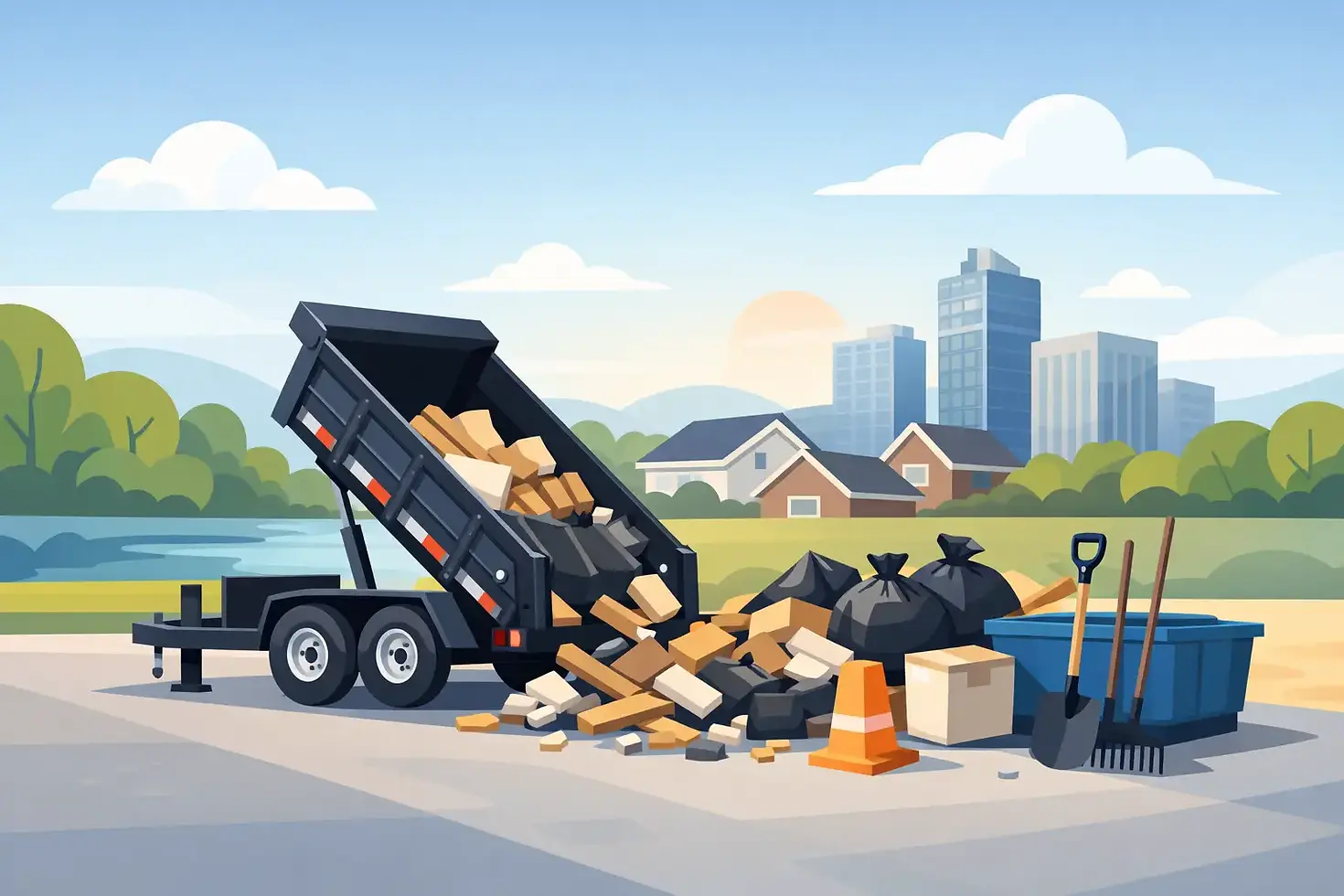
A full pickup bed fills up faster than most people expect. A bathroom remodel can create piles of drywall, old flooring, and fixtures. One hard weekend in the yard can leave branches, brush, sod, and dirt stacked along the curb. That is when a dump trailer rental Auburndale residents and contractors can use makes a real difference. Instead of making repeated trips with a small load, you can keep debris contained, haul more at once, and unload it without shoveling everything back out by hand.
A dump trailer is not just for major construction work. It is a practical tool for homeowners clearing a property, landscapers moving material, property managers handling turnover cleanouts, and contractors who need dependable hauling capacity for a few days. The key is matching the trailer and service options to the job before the first load goes in.
When a Dump Trailer Makes Sense
A dump trailer is built for loose, heavy, or awkward material that would be difficult to unload from a standard utility trailer. The hydraulic dump function raises the trailer bed so material can slide out where it belongs. That saves time at the landfill, jobsite, or material drop area, especially when the load includes dirt, gravel, mulch, roofing debris, or mixed cleanup material.
For a homeowner, renting often makes more sense than trying to work around a pickup truck. You can load as you go during a renovation or yard project instead of stopping every few hours to make a dump run. For a contractor, a rental can fill a short-term gap when your regular trailer is busy, in the shop, or simply too small for the work on hand.
Common jobs include removing construction debris, cleaning out garages and rental properties, hauling brush after storm cleanup, moving mulch or gravel, and clearing junk before a sale or move. It can also be useful for foreclosure and eviction cleanouts, where the amount of material is hard to predict until work begins.
Choose a Dump Trailer Rental in Auburndale by Load
The biggest mistake renters make is choosing based only on how much space a trailer appears to have. Volume matters, but weight matters just as much. A trailer can look only half full and still be at its legal or safe payload limit if it is loaded with dense material.
Dirt, concrete, bricks, wet sand, gravel, and roofing shingles get heavy quickly. Brush, cardboard, furniture, and household junk take up more room but may weigh less. Before reserving, think about what you are loading and whether the material will be dry, wet, bagged, loose, or mixed.
Ask about the trailer's payload capacity and confirm that your tow vehicle is rated to pull the loaded trailer. Your vehicle's towing limit is not the only number that matters. Hitch rating, trailer brake connection, cargo weight, passenger weight, and the weight already in the truck all affect what you can safely tow. If there is any doubt, get the details before pickup instead of finding out at the jobsite.
Plan for mixed debris
Mixed loads are common, but they need a little more thought. Heavy material should be spread evenly over the trailer floor rather than piled at the rear. Keep the load balanced from side to side, and do not stack light material so high that it can blow out while driving.
Some disposal facilities have rules about what can be dumped together. Paint, chemicals, tires, appliances, batteries, and certain electronics may require separate handling. If your cleanup includes questionable items, identify them before loading. A little sorting at the beginning can prevent a frustrating trip at the end.
Do not overload the trailer
Overloading is not worth the risk. It can affect braking, steering, tires, trailer stability, and the ability to raise the bed safely for unloading. A load that exceeds the trailer's capacity may also require you to unload and rearrange material before you can leave a disposal site.
When you are working with dense material, load in smaller amounts than you think you need. If the job requires multiple loads, a properly loaded trailer is still faster and safer than one overloaded trip.
Decide Whether You Need Delivery, Pickup, or Dump Service
Not every customer has a tow vehicle, and not every job allows time for landfill runs. That is why service options matter as much as the trailer itself.
Delivery and pickup can be a smart choice when you want the trailer placed at a home, rental property, or worksite and removed when the project is finished. It reduces the need to coordinate a truck, hitch setup, and driving route. This is especially helpful for homeowners who need a place to load debris over a day or two but do not want to tow a trailer through traffic.
Landfill dump service can also save a major part of the job. You load the trailer, and the hauling side of the work is handled for you. That may be the better value when your schedule is tight, the disposal site is not nearby, or you would rather keep your crew focused on cleanup instead of driving and waiting in line.
Patriots Trailer Rental also supports projects with material delivery and select-day junk removal. For example, a landscaping project may need mulch or gravel brought in, followed by removal of old material. A property cleanout may call for a trailer rental, delivery, and a dump service rather than several separate vendors. The right setup depends on whether you need control of the hauling, help with the logistics, or both.
Get the Jobsite Ready Before the Trailer Arrives
A dump trailer needs a level, accessible place to sit and a clear route for delivery or towing. Move vehicles, lawn equipment, and low obstacles out of the way before the trailer arrives. If the trailer will be parked on a driveway, consider how you will protect the surface and leave enough room to load from the sides or rear.
Think ahead about unloading, too. The trailer bed must be raised on stable, level ground with overhead clearance. Low tree limbs, utility lines, carports, and garage doors can create serious problems. Never raise a dump bed beneath overhead wires or in an area where the ground is soft, sloped, or uneven.
For loading, keep a simple path from the work area to the trailer. Put bulky items in first where possible, then fill gaps with smaller debris. Do not stand inside the trailer while someone is loading heavy material with machinery. Keep children, pets, and bystanders away from the loading and dumping area.
A Quick Checklist Before You Tow
If you are towing the trailer yourself, take a few minutes at pickup to make sure everything is right. Confirm the coupler is locked to the hitch ball, safety chains are attached correctly, the breakaway cable is connected, and the trailer lights and brakes work. Secure the tailgate or doors as required for the load, then use a tarp when needed to keep debris from escaping.
Drive differently with a loaded trailer. Leave extra stopping distance, take turns wider, avoid sudden lane changes, and slow down before rough roads or tight entrances. Backing is easier when you use small steering corrections and have a spotter outside the vehicle where possible.
A first-time renter should not feel pressured to guess. A good local rental company can walk through hookup, operating controls, loading concerns, and return expectations before you leave. Online or text-based rental documents can also speed up pickup, but the safety check still deserves your full attention.
Reserve Around Your Actual Work Schedule
A trailer rental works best when it supports the pace of the project. If demolition starts Saturday morning, do not wait until the trailer is already full to think about where the material will go. Reserve early, plan the loading area, and decide whether you are towing, using delivery, or adding dump service.
Be realistic about rental time. A one-day rental may be enough for a straightforward yard cleanup with a ready crew. A renovation, property turnover, or job with uncertain debris volume may need more time. Flexible rental periods can be more practical than rushing the work just to meet a return time.
The best cleanup jobs keep moving because the hauling plan is settled before the mess gets bigger. Choose the right trailer, load it safely, and get the support you need so the work ends with a clear property instead of another pile waiting for a ride.


Comments